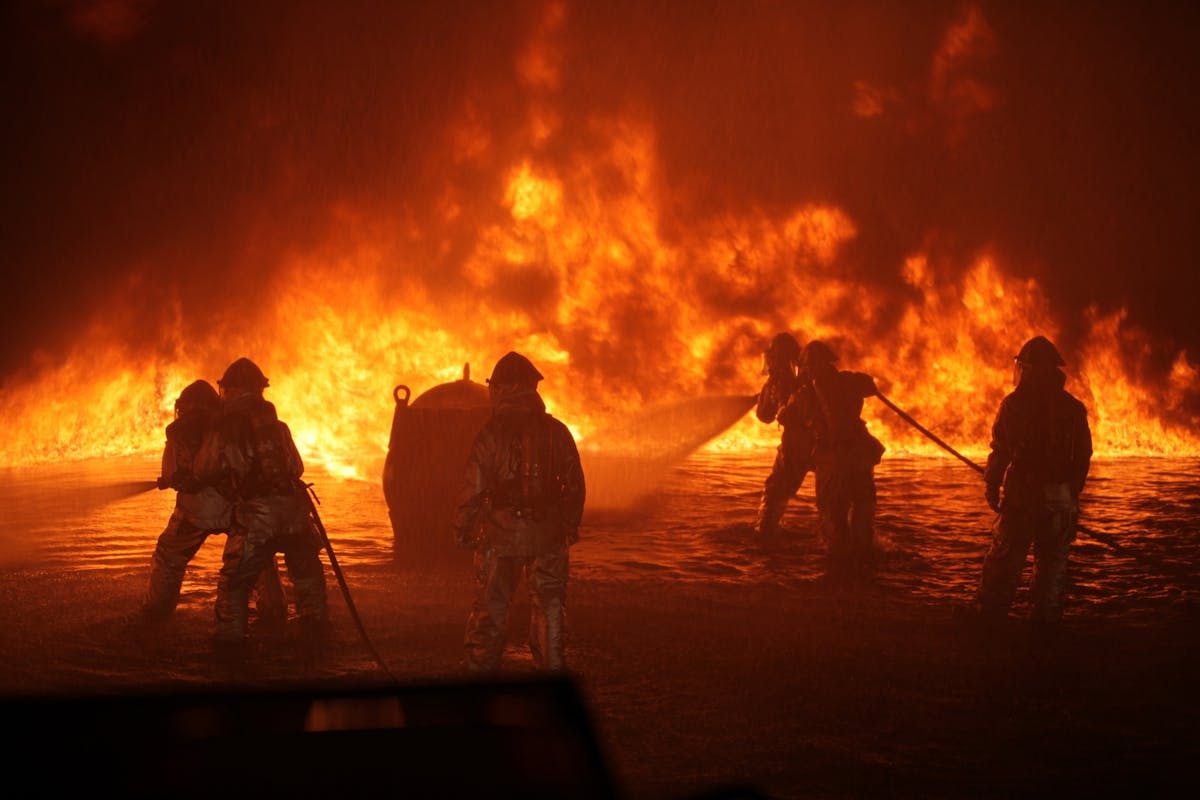
The recent gas pipeline fire incident in Putra Heights, Subang Jaya has drawn public attention to the importance of safety preparedness and infrastructure risk management in densely populated urban environments.
Although gas pipeline systems are designed with multiple safety mechanisms, incidents involving critical utilities highlight how quickly risks can escalate when safety awareness and preparedness are insufficient.
Urban Infrastructure and Hidden Risks
Gas pipelines are essential infrastructure supporting residential, commercial, and industrial activities. In urban settings, these pipelines often run beneath roads, housing areas, and commercial developments.
As cities expand, many people may be unaware of the presence of underground gas pipelines or the potential hazards associated with them. Without proper awareness, early warning signs such as unusual smells, ground disturbances, or abnormal sounds may be ignored, increasing the risk during emergency situations.
Why Safety Awareness Matters
Safety incidents involving utilities are not only technical failures, but often communication failures. In many cases, individuals do not know:
- How to identify potential warning signs
- Who to report incidents to
- What actions to take during an emergency
This lack of clarity can lead to delayed evacuation, confusion, and increased danger.
Clear and consistent safety communication is essential, especially in areas where the public, workers, and contractors interact closely with critical infrastructure.
The Importance of Structured Safety Communication
One of the most effective ways to communicate safety information is through structured and standardised materials. Safety videos, for example, allow organisations to:
- Deliver consistent safety messages
- Visually demonstrate hazards and emergency procedures
- Ensure information is easily understood across different audiences
Unlike verbal briefings or written notices, visual safety communication reduces misinterpretation and ensures the same message is delivered every time.
Emergency Preparedness Saves Lives
Emergency response effectiveness depends largely on preparedness. When people are familiar with emergency procedures before an incident occurs, they are more likely to respond calmly and correctly.
Preparedness includes:
- Clear emergency response plans
- Regular safety induction or refresher training
- Easily accessible safety information
Organisations that invest in proactive safety communication are better positioned to manage emergencies and reduce operational disruption.
Lessons for Organisations and Property Managers
The incident in Putra Heights serves as a reminder for organisations, developers, and property managers to reassess their safety communication strategies.
Key actions include:
- Reviewing emergency response procedures
- Ensuring workers and occupants receive proper safety induction
- Using visual safety materials to reinforce awareness
- Updating safety content regularly to reflect current risks
Safety communication should not be treated as a one-time requirement, but as an ongoing responsibility.
Conclusion
The gas pipeline fire incident in Putra Heights highlights the critical role of safety awareness and preparedness in urban environments. While infrastructure systems continue to evolve, effective safety communication remains a fundamental element in protecting people, property, and operations.
Proactive safety planning, supported by clear and consistent communication, can significantly reduce risk and improve emergency response outcomes.
Need Professional Safety Video Production Malaysia?
Let our experienced team create custom workplace safety training videos, safety induction videos, and HSE compliance content tailored to your industry needs. Learn more about our safety video production services.